The Changing Face of the Leisure Estate: Reflections from Lost Shore
Leisure facilities across Scotland are evolving. At a recent industry event hosted at Lost Shore Surf Resort, public sector representatives explored the future of the leisure estate, including design, operational sustainability, and the role of community wellbeing.
Thomas Johnstone Ltd was pleased to attend, joining stakeholders from across the leisure, property, and public sector to discuss the challenges and opportunities shaping modern leisure provision.
A Vision Realised
Founder of Lost Shore, Andy Hadden, opened the day by sharing the story behind the resort. He spoke candidly about the ambition required to bring such a unique concept to Scotland and the scepticism he faced, including the familiar question: “Isn’t it too cold?”
Lost Shore has quickly established itself as a distinctive leisure destination, and Andy was recently recognised as Director of the Year at the 15th Annual Business Awards hosted by Edinburgh Chamber of Commerce.
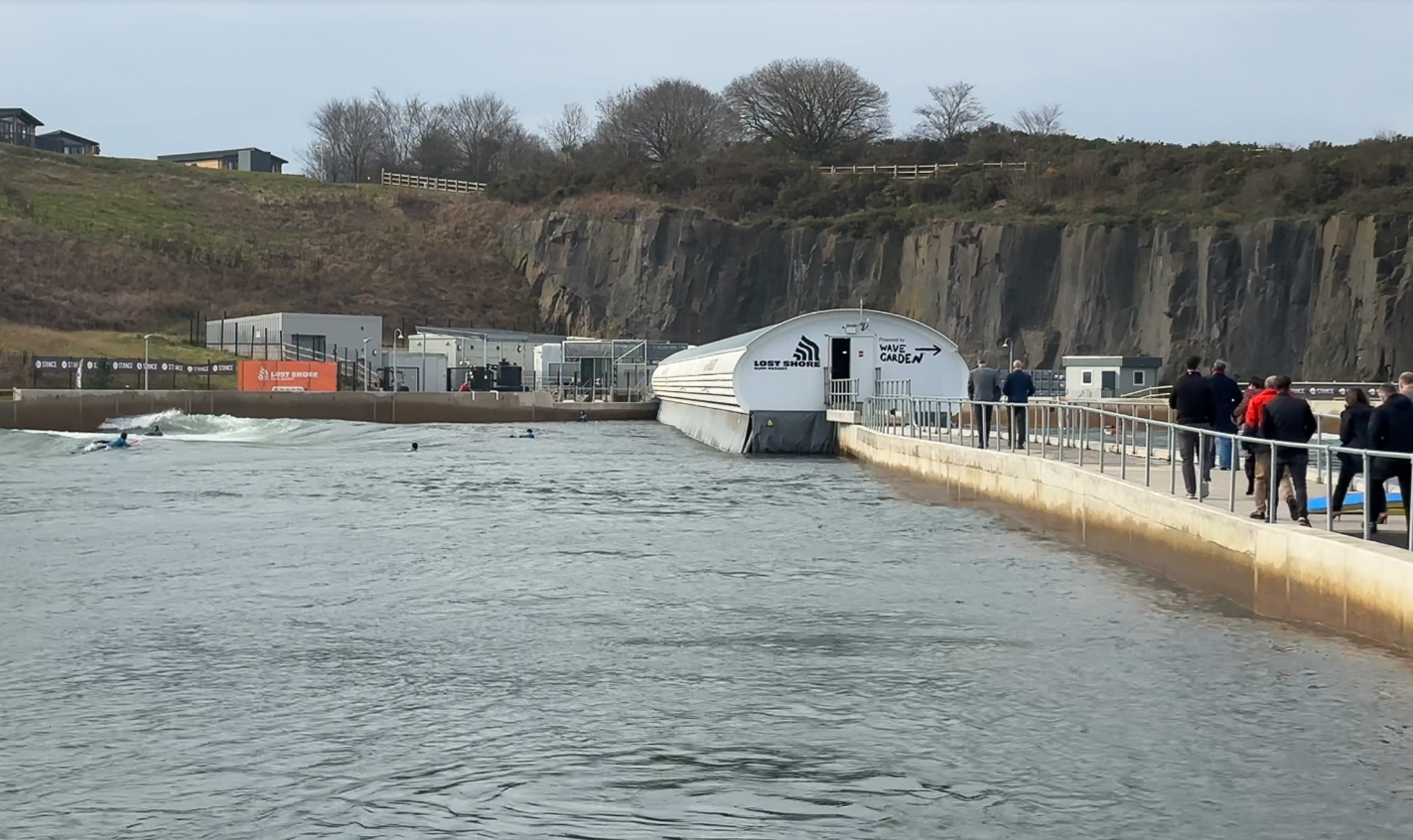
Attendees toured the facility, including a rare view inside the technical infrastructure of the patented Wavegarden technology. TJL worked closely with the Bilbao-based engineers to support the installation during construction.
Designing for Experience and Efficiency
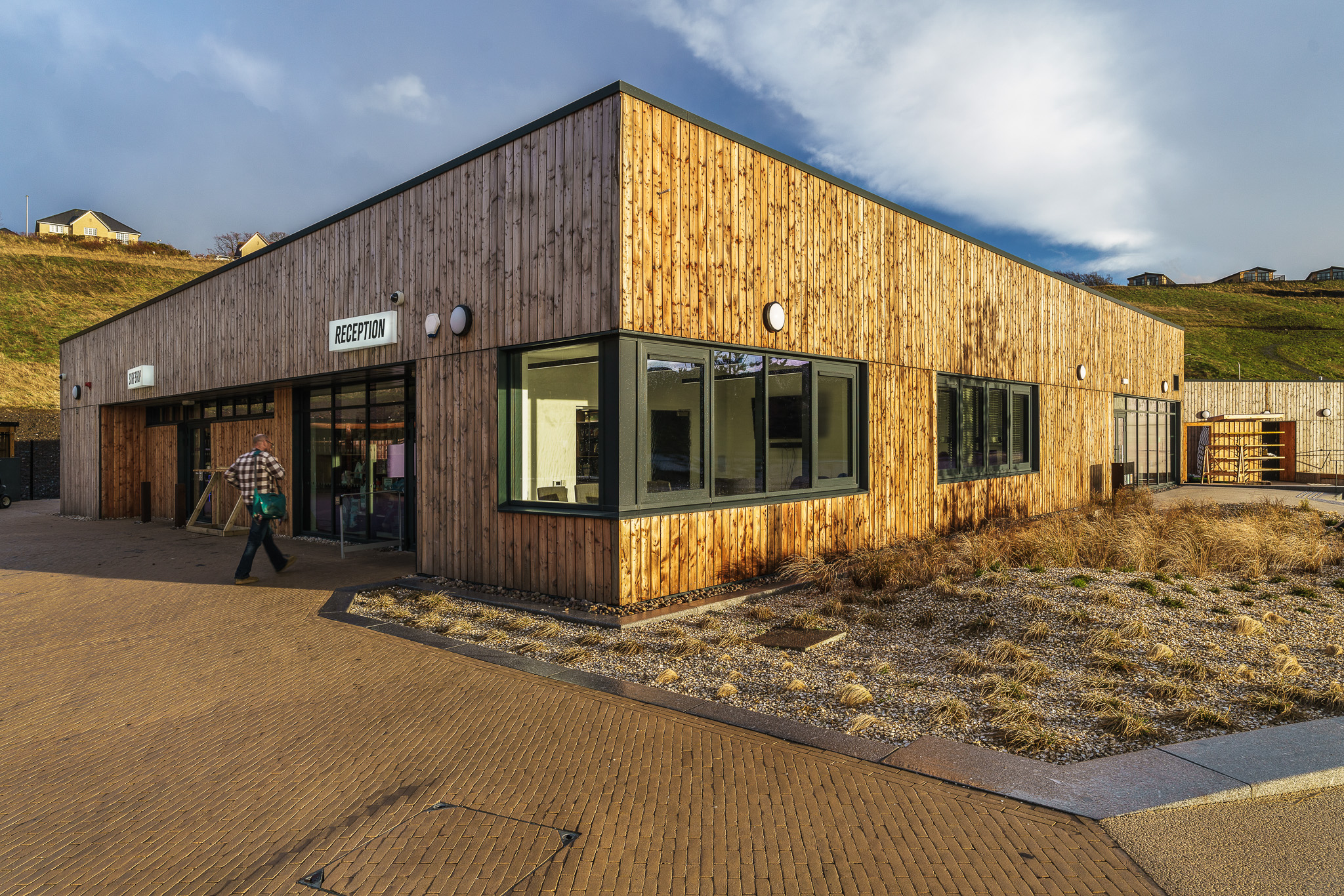
David McNabb, Director at Oberlanders Architects, shared insight into the design thinking behind the resort. The architecture was crafted not only to create a memorable visitor experience but also to support long-term operational efficiency — an increasingly important consideration for modern leisure facilities.
Collaboration in Delivery
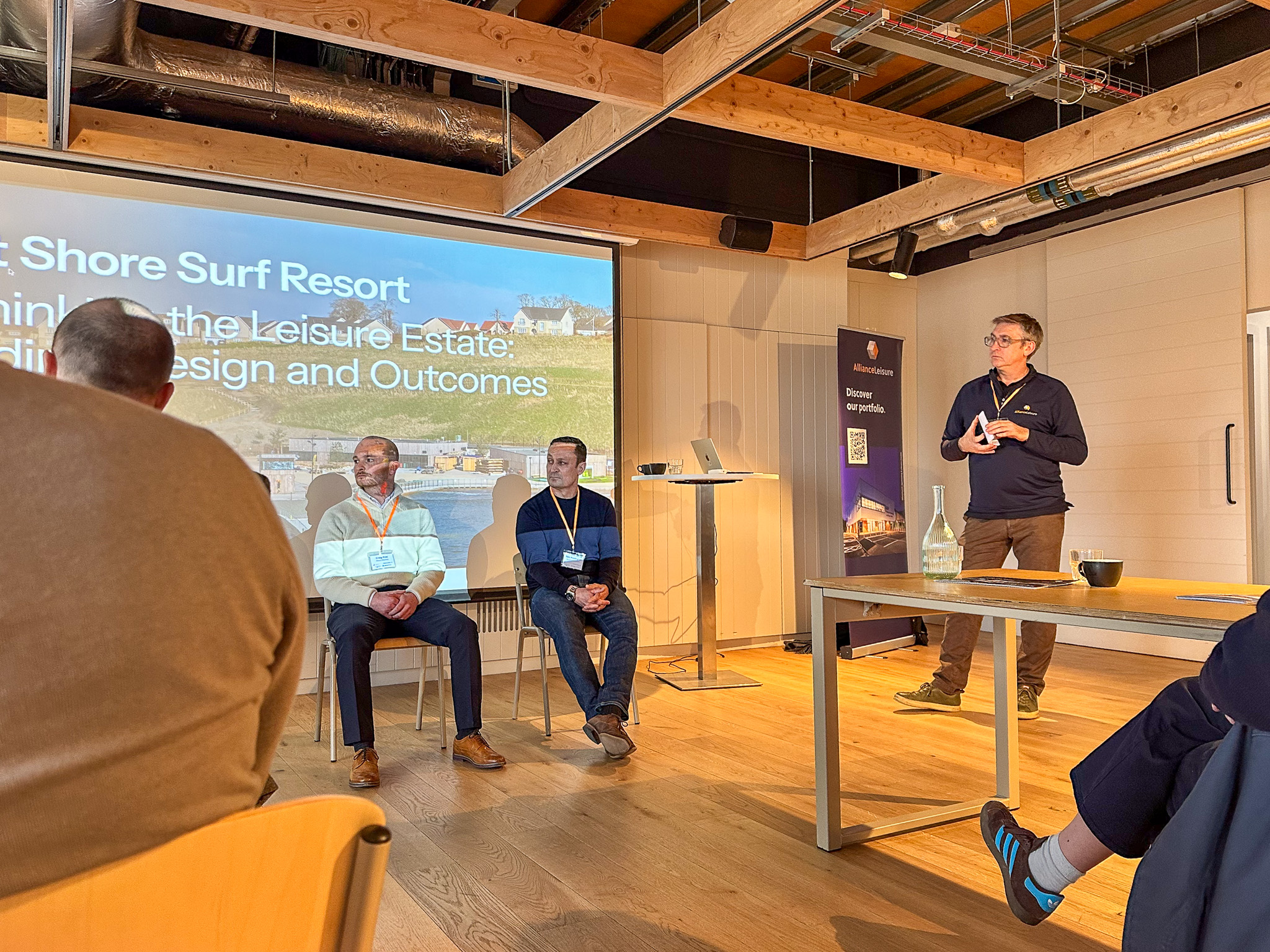
Senior Quantity Surveyor Craig Pirie represented TJL in a panel discussion on the changing nature of leisure estates. He supported the architectural perspective, focusing on value engineering and how early construction decisions affect both capital cost and long-term performance.
The panel reflected on the collaborative approach taken throughout the Lost Shore project. Delivering a destination of this scale required close coordination between client, design team, and delivery partners, demonstrating how teamwork helps bring complex leisure projects to life.
Balancing Ambition and Affordability
Affordability was a recurring theme. Panellists discussed whether larger facilities always represent better value and how thoughtful design can support operational sustainability.
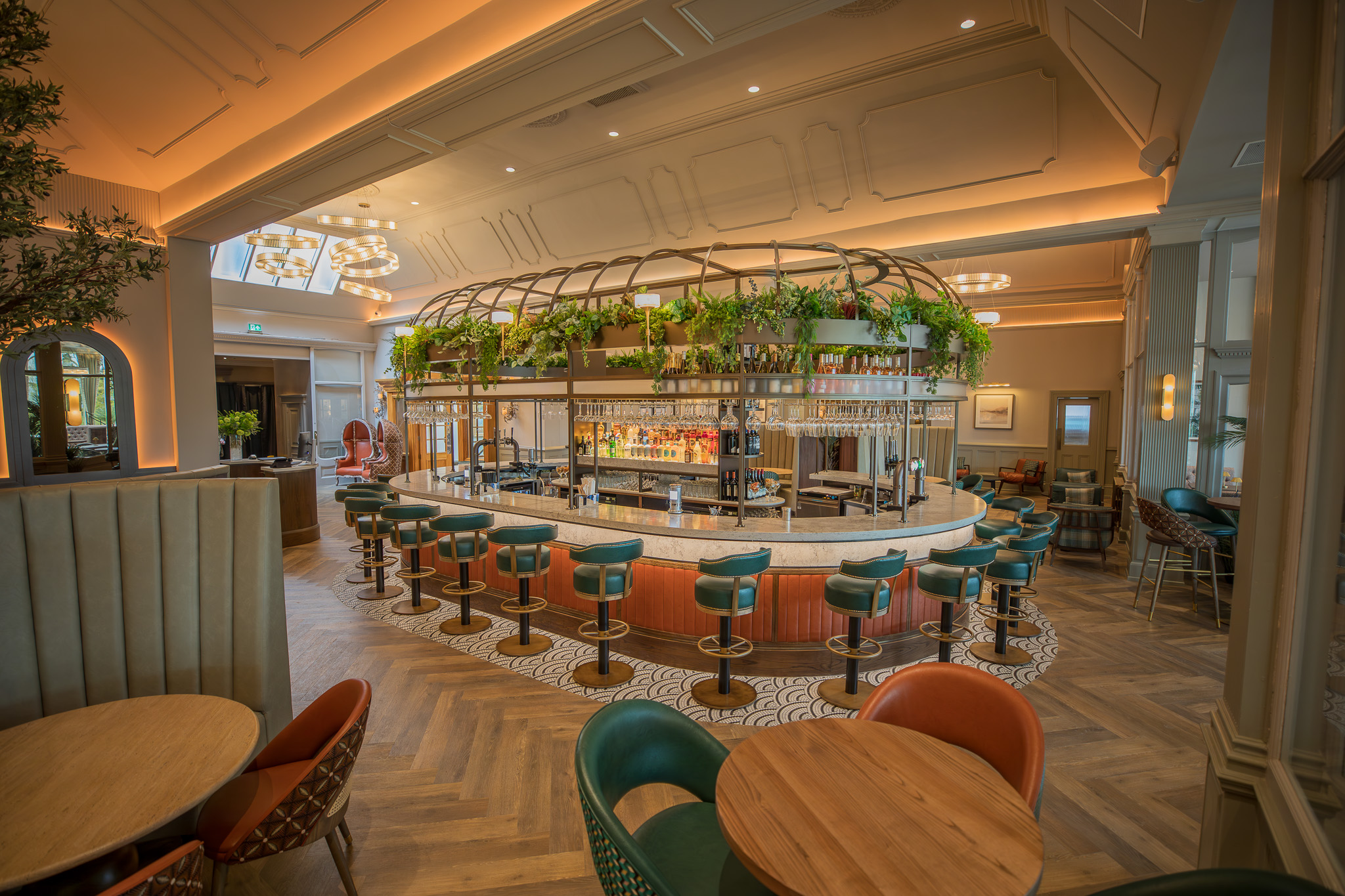
Lost Shore provides a practical example. The main hub building can operate in parts independently, allowing sections to remain open while others are closed. This flexibility helps manage staffing and operational costs while maintaining the visitor experience.
Integrating Leisure, Community and Education
The potential for closer integration between leisure and education facilities emerged as a key topic. Schools occupy buildings during the day, while leisure centres are busiest in the evenings, highlighting opportunities for shared estates that maximise public assets.
The panel also noted barriers. For some users, the perception of “going back to school” can deter engagement in sports or leisure activities.
Leisure as a Public Health Asset
Accessibility and public health were central to discussions. Panelist Jillian Gibson, Policy Manager at COSLA, highlighted that physical inactivity contributes to around 3,000 deaths each year in Scotland, emphasising the importance of accessible leisure facilities in supporting community wellbeing.
Speakers stressed that making better use of existing estates will be essential. Integrated models combining education, leisure, and community services can maximise limited budgets. The wellbeing hub in Alloa was cited as a positive example: a leisure-led facility that incorporates a school, rather than allowing the school to dominate the space.
Wider Economic and Community Impact
The discussion concluded with a broader assessment of the impact of destination-led leisure projects. Andy Hadden shared early indicators of Lost Shore’s success, estimating an annual contribution of around £18 million to the local economy.
The event reinforced a growing consensus: the next generation of leisure facilities must balance ambition with operational resilience, supporting health, wellbeing, and community life while remaining financially sustainable.
Events like this provide valuable opportunities for the sector to share ideas and experiences. It was encouraging to see such open and thoughtful discussion around the future of leisure in Scotland.