The Changing Face of the Leisure Estate: Reflections from Lost Shore
The demands placed on Scotland’s leisure estate are changing. Today’s facilities must do more than provide places to exercise or socialise. They need to support community wellbeing, remain financially sustainable and adapt to changing patterns of use.
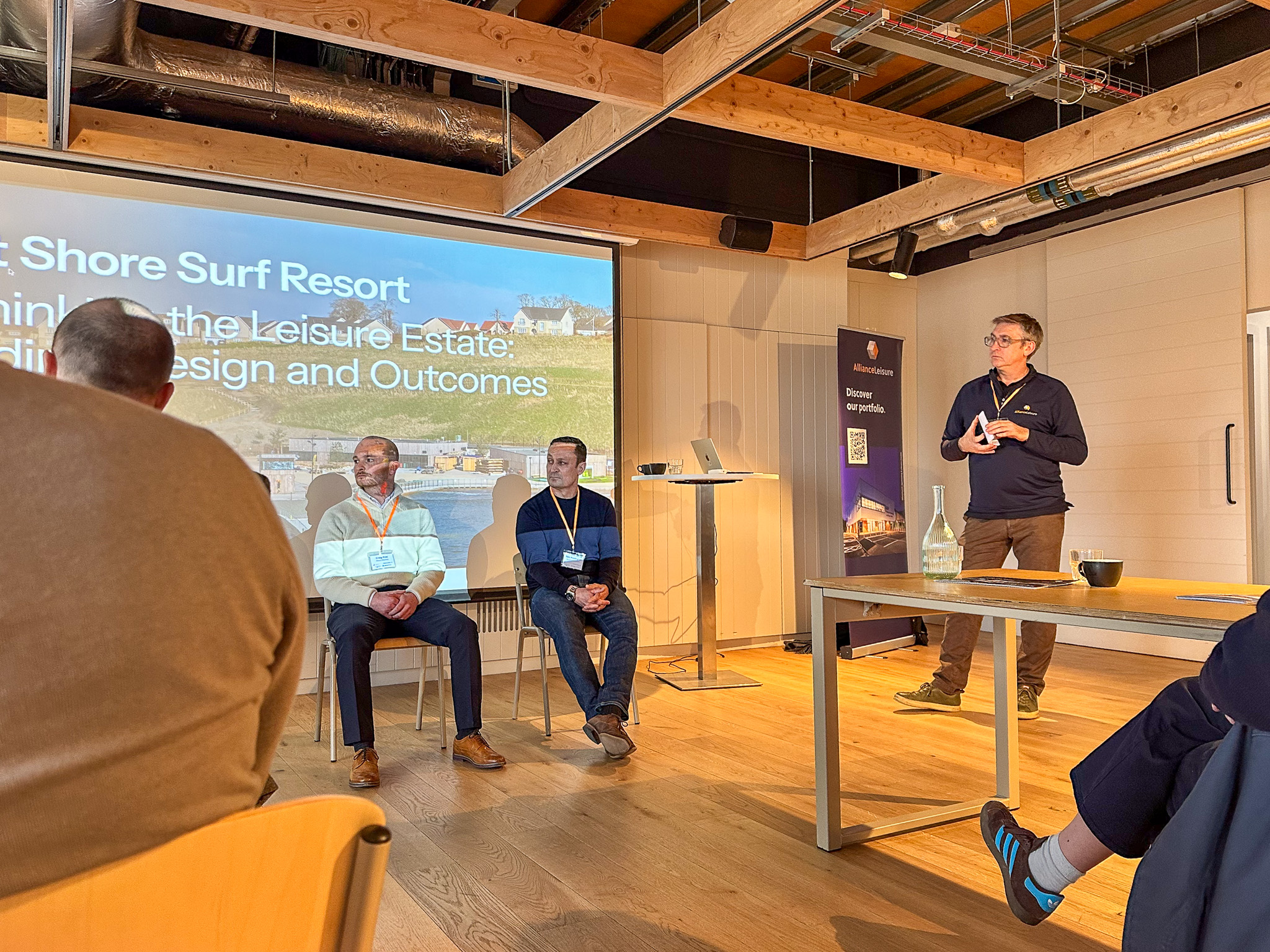
These themes were at the heart of a recent industry event hosted at Lost Shore Surf Resort. Bringing together representatives from local authorities, architects, contractors and leisure operators, the event explored how future leisure developments can balance ambition with long-term resilience.
Designing for Long-Term Success
Lost Shore provided a fitting backdrop for the discussion. Founder Andy Hadden reflected on the vision behind the project and the determination required to bring such an ambitious concept to life. Despite early scepticism, the resort has quickly established itself as one of Scotland’s most distinctive leisure destinations.
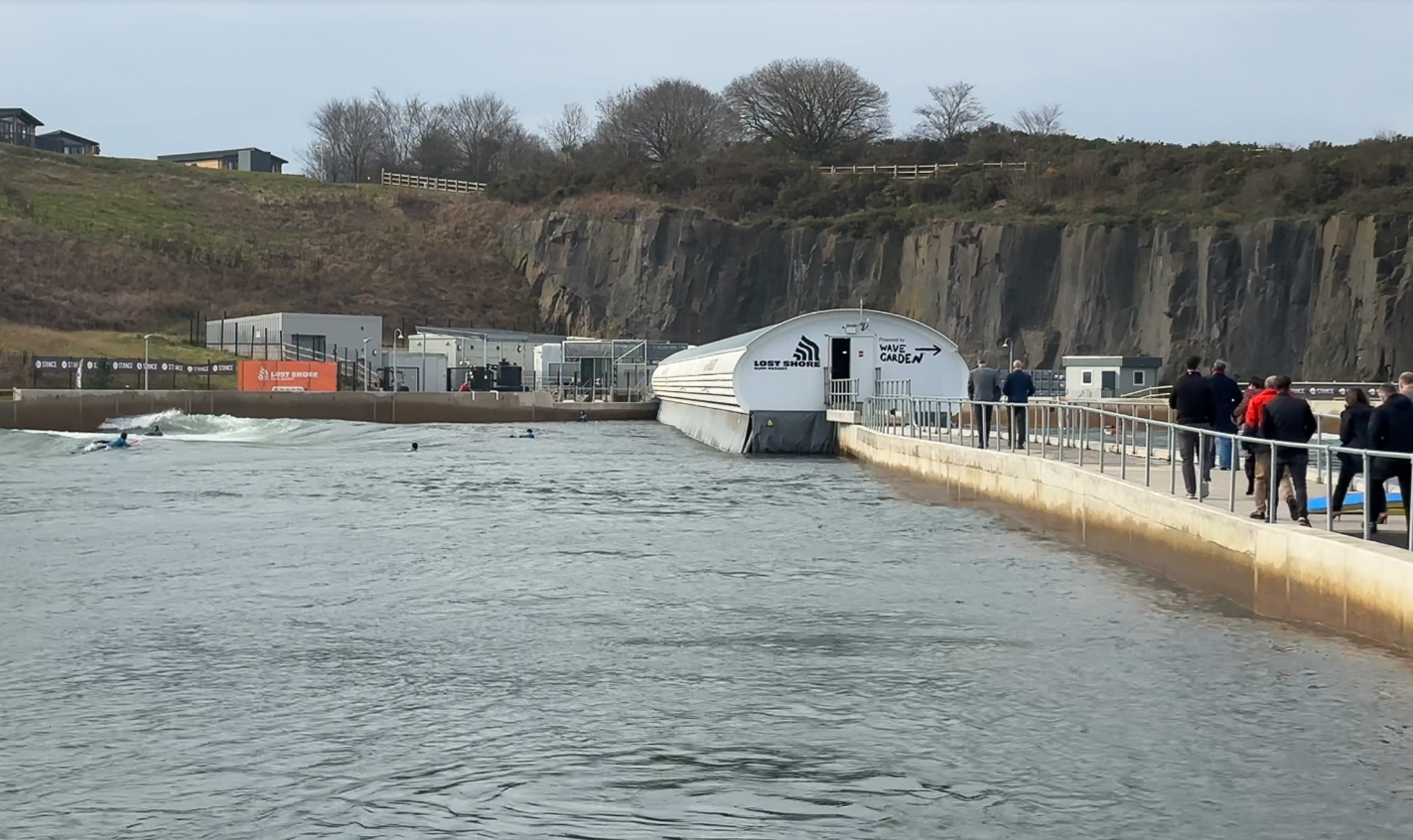
A tour of the facility highlighted the level of planning and coordination behind the project. Attendees were given a rare look inside the patented Wavegarden technology that powers the surf lagoon. During construction, TJL worked alongside the Bilbao-based engineering team to support its installation, demonstrating the collaboration needed to deliver a project of this complexity.
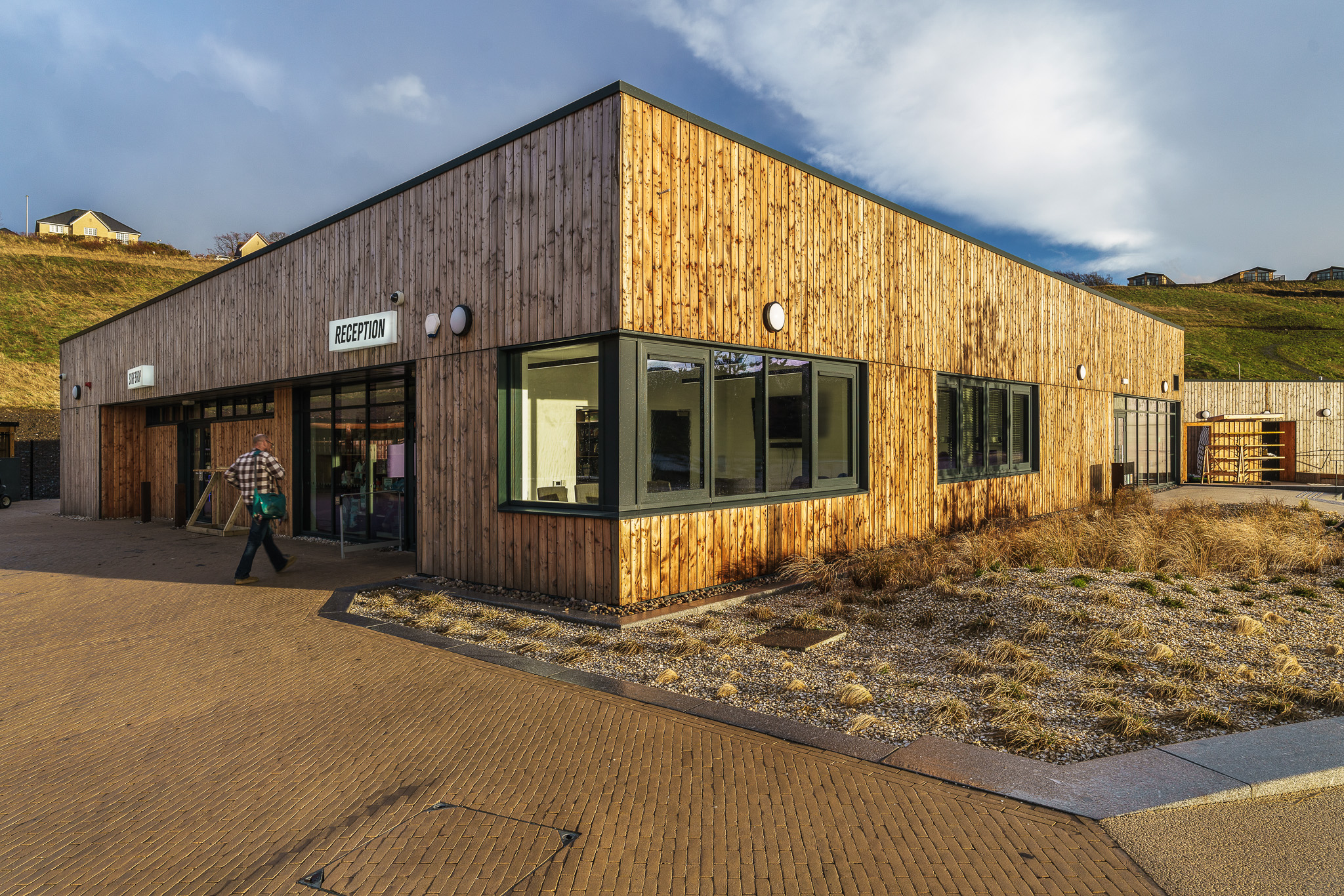
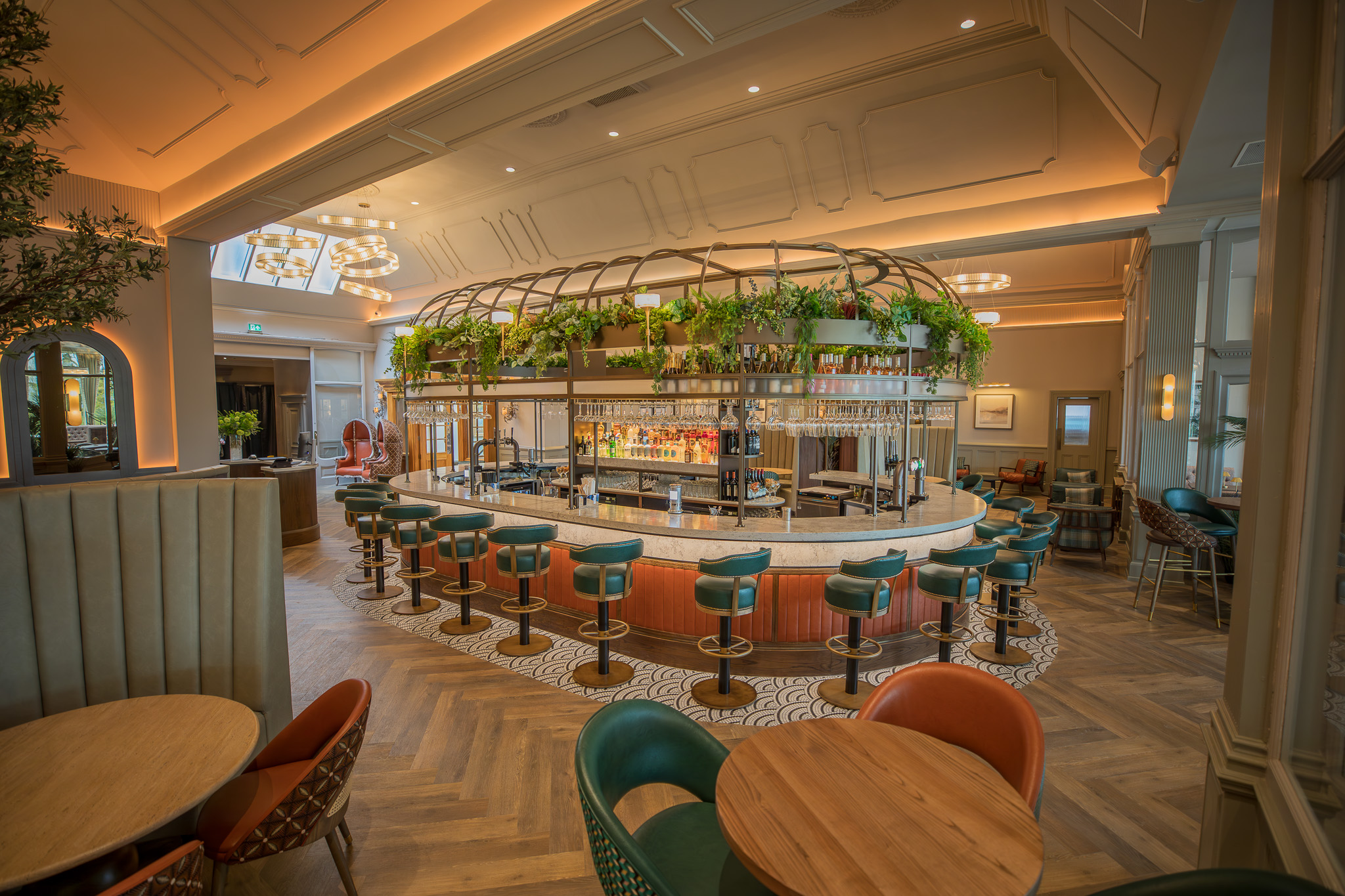
The architectural approach also reflects a wider shift in leisure design. As David McNabb, Director at Oberlanders Architects, explained, the resort was designed to create an outstanding visitor experience while supporting efficient day-to-day operation. Increasingly, successful leisure buildings must achieve both.
Flexibility is Becoming Essential
One of the strongest messages to emerge from the day was that operational flexibility is no longer a desirable feature; it is a necessity.
Rising energy costs, staffing pressures and tighter public budgets mean leisure operators must think differently about how buildings function throughout the day. Designing spaces that can adapt to changing demand allows facilities to remain commercially viable without compromising the visitor experience.
Lost Shore offers a practical example. Its main hub building can operate in separate zones, allowing parts of the facility to remain open while others are closed. This flexibility helps reduce operating costs while maintaining the quality of the visitor experience.
Representing TJL on the panel discussion, Senior Quantity Surveyor Craig Pirie explored how value engineering contributes to these outcomes. Decisions made during design and construction influence not only capital costs but also how efficiently a building performs over its lifetime. Close collaboration between client, design team and contractor is essential to achieving that balance.
Rethinking the Public Leisure Estate
The conversation also looked beyond individual buildings to the wider public estate. As communities evolve and budgets become more constrained, there is growing interest in facilities that bring together leisure, education and community services.
Shared buildings can make better use of public assets by serving different groups at different times of the day. However, successful integration depends on thoughtful design. Leisure facilities must remain welcoming community destinations rather than simply becoming extensions of schools or civic buildings.
The discussion also reinforced the wider role leisure plays in supporting public health. Jillian Gibson, Policy Manager at COSLA, highlighted that physical inactivity contributes to around 3,000 deaths each year in Scotland. Accessible, well-designed leisure facilities therefore represent more than an investment in buildings; they are an investment in healthier communities.
Examples such as the wellbeing hub in Alloa demonstrate how leisure-led developments can successfully integrate education and community services while maintaining a clear identity.
Looking Ahead
The event concluded with a discussion of the wider impact destination-led leisure developments can have on their surrounding communities. Andy Hadden shared early estimates indicating that Lost Shore contributes around £18 million annually to the local economy, underscoring the broader social and economic value these projects can generate.
The conversations at Lost Shore reflected a sector in transition. Success is no longer measured solely by the scale or ambition of a facility. Increasingly, it depends on how well buildings perform over time, how effectively they serve their communities and how resilient they remain in the face of changing demands.
For those involved in delivering the next generation of leisure facilities, these considerations will shape projects for years to come.